Featured
Get This Report about Why Service Service Areas & Locations : APFSC Can Help
Table of Contents
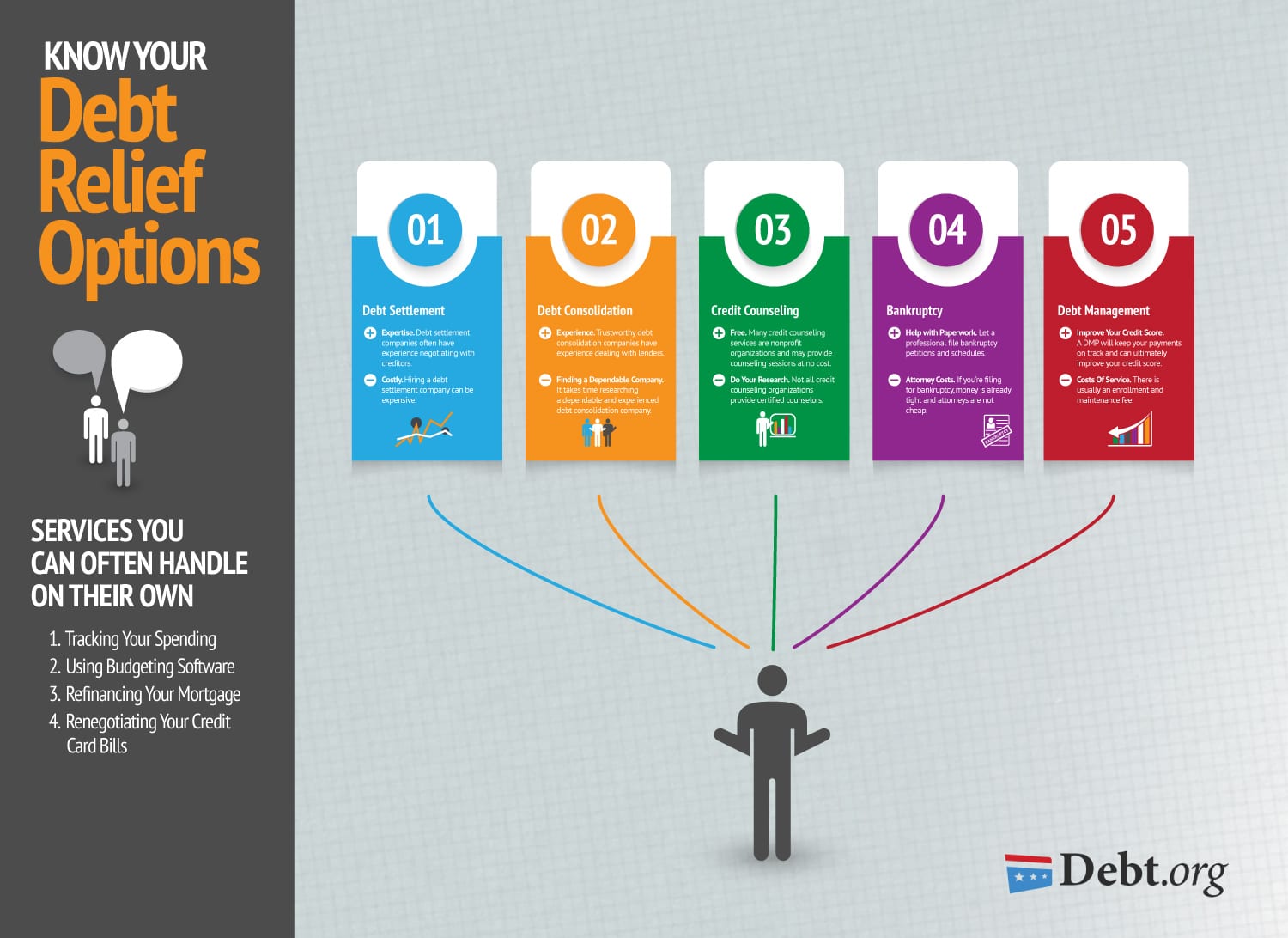
That maximizes cash in the brief term, and you may have 3 to 4 years to conserve towards the negotiation quantity. Very harmful to credit rating, mainly due to missed settlements and a negative "cleared up" mark that can stay on your credit scores record for as much as seven yearsMay be only option if various other options (financial debt consolidation, balance transfer charge card, financial obligation forgiveness) aren't possibleTypically requires a fee to the 3rd event, which can counter some or every one of the cost savings from financial obligation settlementMay aid you prevent personal bankruptcy if you have actually missed a number of paymentsNot all financial institutions function with financial obligation settlement business Financial obligation mercy might be best for you if you are experiencing an economic hardship that makes it virtually difficult to pay for your financial obligation balances.
With a DMP, you make one monthly payment to the credit scores counseling firm. Those funds are after that dispersed to creditors of your unsafe financial debts, such as charge card and installment car loans. The company deals with your creditors to decrease rate of interest prices or waive costs, however some creditors might decline such giving ins.
It can assist you pay down financial obligation if you're able to protect a loan price that's reduced than the average price of the accounts you're settling. You have to abstain from racking up debt on those freshly removed accounts or your debt can grow even higher.
That gives you plenty of time to eliminate or substantially minimize your equilibrium while making interest-free settlements.
Indicators on Chapter 7 Essentials and Requirements You Need To Know
You may require it if your creditor or a collection firm ever attempts to accumulate on the debt in the future. The letter might confirm you do not owe what the debt collector's records reveal. Yes, for the most part, the internal revenue service considers forgiven financial debt as taxable revenue. When a lender forgives $600 or more, they are called for to send you Type 1099-C.
Debt mercy or negotiation generally injures your credit rating. Anytime you work out a debt for less than you owe, it might show up as "resolved" on your credit history report and impact your credit history for 7 years from the day of negotiation. Your credit can also go down substantially in the months resulting in the mercy if you fall behind on settlements.
The Only Guide for New Laws That May Transform Debt Relief Availability
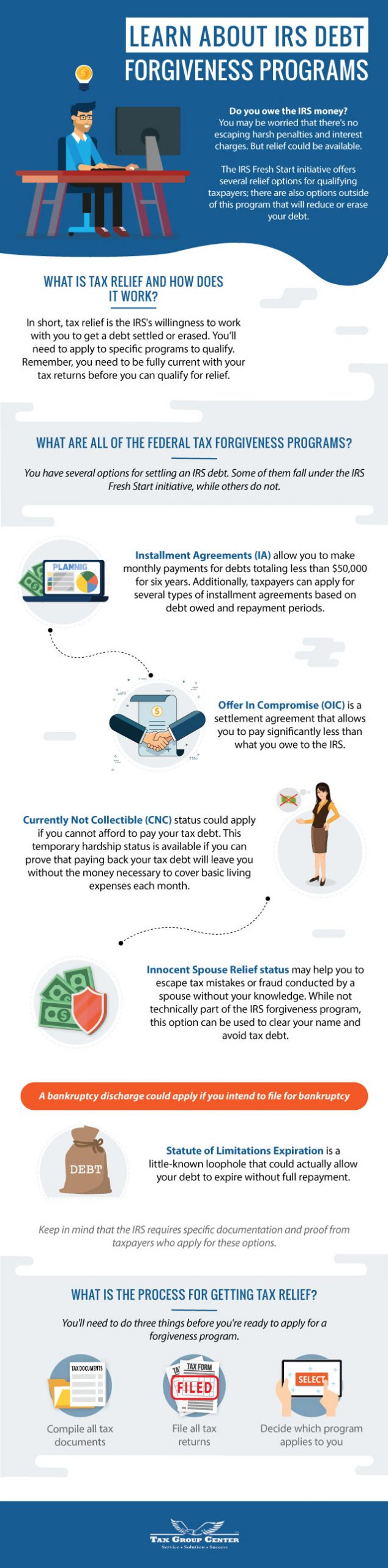
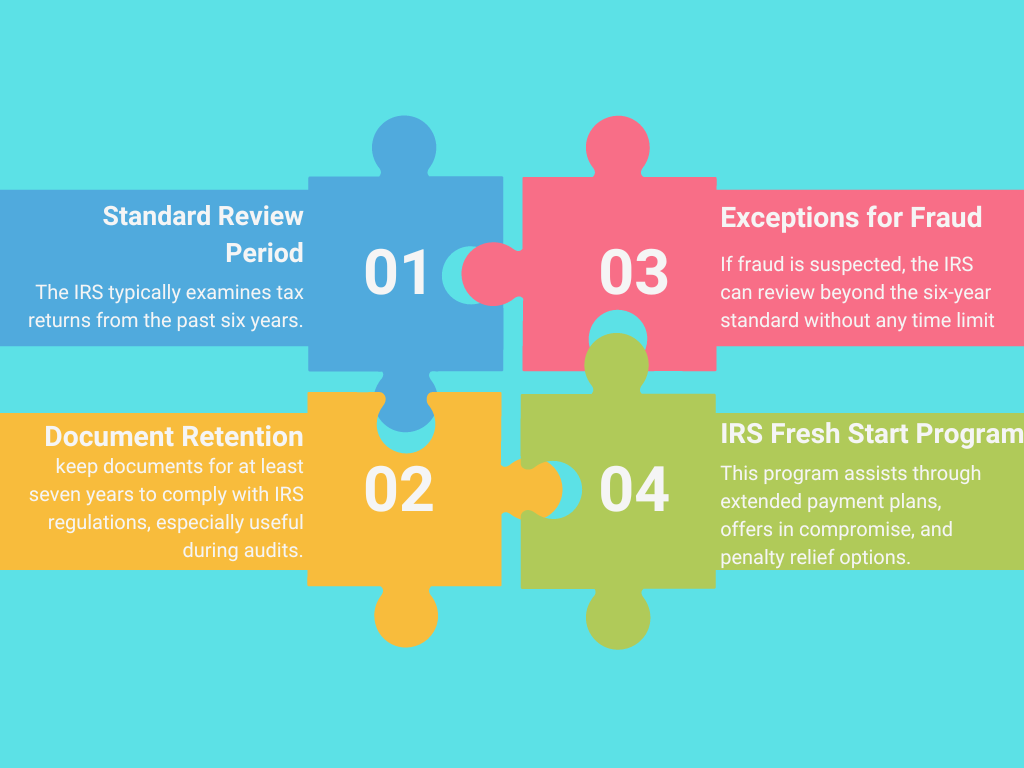
Tax obligation financial obligation concession programs Tax financial debt happens when the quantity of tax obligations you owe surpasses what you have actually paid. This scenario often arises from underreporting income, not filing returns promptly, or inconsistencies discovered during an IRS audit. The repercussions of collecting tax financial debt are major and can consist of tax obligation liens, which provide the IRS a lawful insurance claim to your home as protection for the debt.
Wages and Financial institution Accounts Internal revenue service can levy (take) incomes and bank accounts to please the financial obligation. Residential or commercial property Seizure In extreme instances, the Internal revenue service can seize and market property to cover the financial obligation.
Social Preconception Encountering legal action from the IRS can bring social preconception. Employment Opportunities A poor credit history rating due to tire financial obligation can limit employment opportunities. Federal government Benefits Tax obligation debt may impact eligibility for government benefits, such as Social Protection and Medicaid.
The Only Guide to Free Learning Financial Literacy Materials for Consumers
The OIC takes into consideration several factors, including the taxpayer's income, costs, property equity, and capability to pay. Effectively bargaining an OIC can be complicated, needing a complete understanding of the IRS's guidelines and a solid argument for why your offer lines up with your capability to pay. It is necessary to keep in mind that not all applications are accepted, and the procedure calls for thorough economic disclosure.
The internal revenue service analyzes your total financial situation, including your income, costs, property equity, and capability to pay. You must additionally be current with all declaring and settlement demands and not remain in an open insolvency case. The IRS also considers your conformity history, reviewing whether you have a document of timely declaring and paying tax obligations in previous years.
Preventing Additional Debt Problems After Debt Relief Things To Know Before You Get This
The application process for a Deal in Compromise involves several detailed actions. You should complete and submit Internal revenue service Type 656, the Offer in Concession application, and Form 433-A (OIC), a collection details declaration for individuals. These forms call for thorough financial details, consisting of information regarding your income, financial debts, expenses, and properties.
Back tax obligations, which are unsettled taxes from previous years, can substantially enhance your total internal revenue service financial obligation if not attended to quickly. This debt can build up passion and late settlement penalties, making the initial amount owed much bigger over time. Failure to repay taxes can cause the IRS taking enforcement actions, such as issuing a tax obligation lien or levy versus your residential or commercial property.
It is crucial to resolve back taxes as soon as possible, either by paying the sum total owed or by organizing a payment plan with the internal revenue service. By taking proactive actions, you can prevent the accumulation of added rate of interest and charges, and protect against much more hostile collection activities by the IRS.
One usual reason is the belief that the taxpayer can pay the sum total either as a round figure or with a payment plan. The IRS also takes into consideration the taxpayer's income, expenses, asset equity, and future earning capacity. If these variables indicate that the taxpayer can afford to pay greater than the used amount, the IRS is most likely to turn down the deal.
All about Tools Provided From Certified Counselors
Dealing with Internal revenue service financial obligation can be complicated and complicated. Tax specialists, such as CPAs, tax lawyers, or signed up representatives, can supply vital support.

Table of Contents
Latest Posts
The Main Principles Of Your Introduction to Using Credit Counseling Before You Commit to a Debt Management or Forgiveness Program with APFSC
Examine This Report about Red Flags When Researching a Your Section 8 Housing Application Guide (Plus Counseling Support) : APFSC Provider
)
This Organization Approach with Clients Can Be Fun For Anyone
More
Latest Posts
This Organization Approach with Clients Can Be Fun For Anyone