Featured
The Buzz on Chapter 13 Fundamentals and Eligibility
Table of Contents
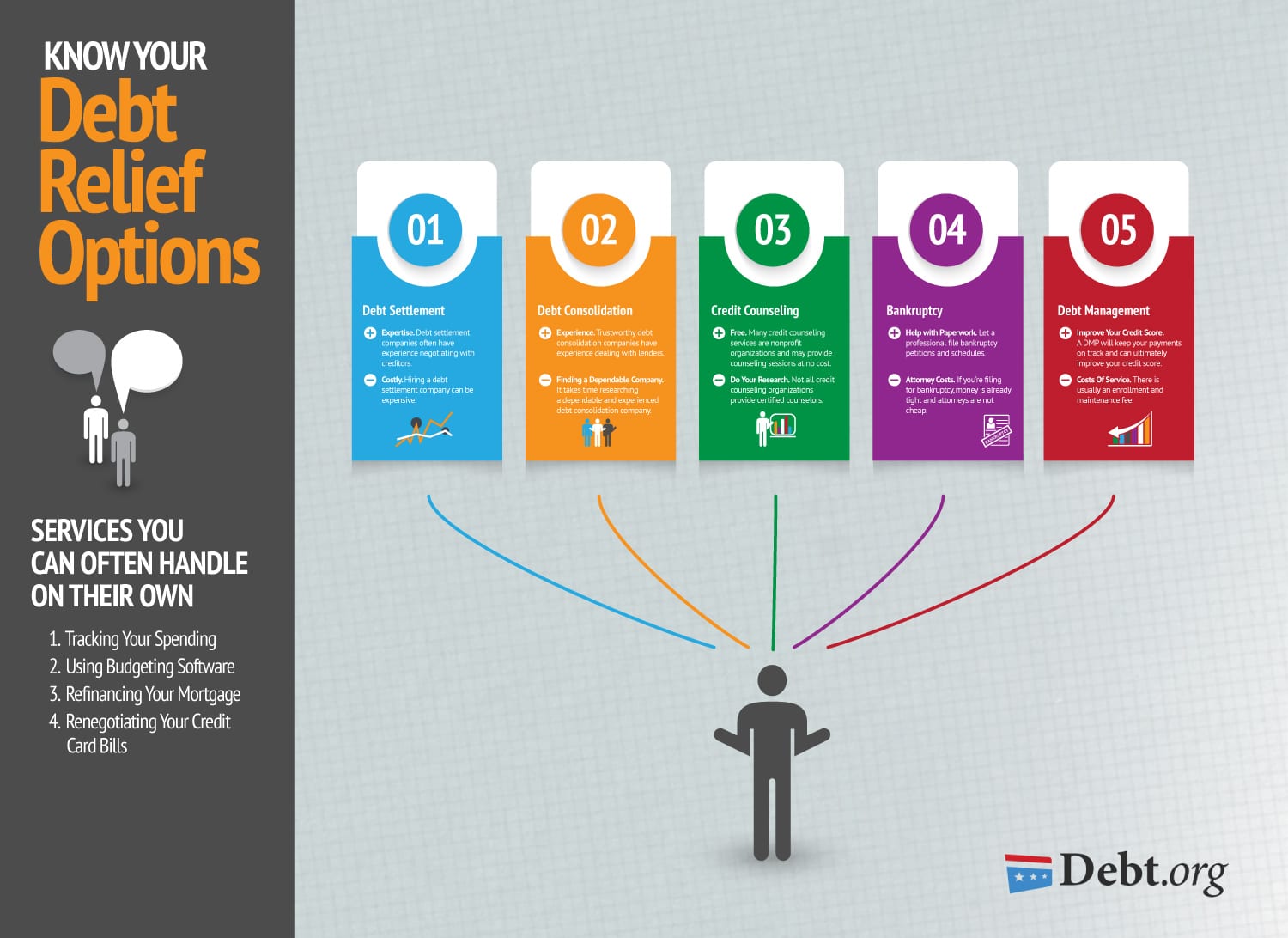
That liberates money in the short-term, and you might have three to 4 years to save towards the settlement quantity. Extremely dangerous to credit rating, primarily because of missed out on settlements and a negative "cleared up" mark that can stay on your credit score record for up to seven yearsMay be only option if other alternatives (debt combination, balance transfer credit cards, debt mercy) aren't possibleTypically calls for a fee to the 3rd event, which could balance out some or every one of the savings from debt settlementMay assist you avoid insolvency if you've missed out on several paymentsNot all lenders collaborate with financial debt negotiation business Financial debt mercy may be best for you if you are experiencing a financial hardship that makes it virtually difficult to pay down your financial debt equilibriums.
With a DMP, you make one month-to-month payment to the debt therapy agency. Those funds are then dispersed to creditors of your unprotected financial debts, such as credit report cards and installment car loans. The company deals with your financial institutions to minimize rates of interest or forgo costs, yet some creditors may reject such giving ins.
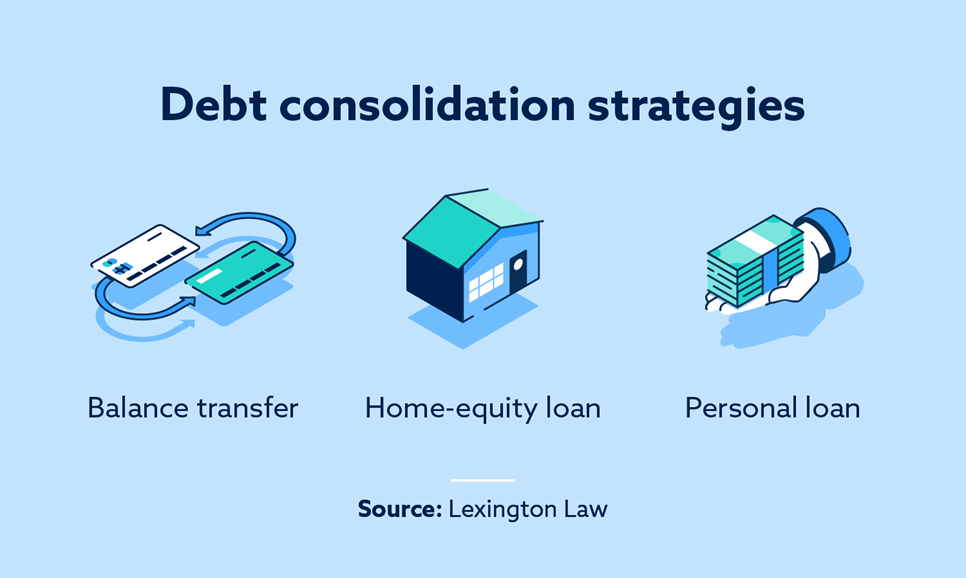
It can assist you pay down debt if you're able to secure a finance price that's reduced than the typical price of the accounts you're consolidating. You have to refrain from racking up financial debt on those freshly removed accounts or your debt can expand also higher.

That offers you lots of time to remove or substantially minimize your balance while making interest-free repayments.
Top Guidelines Of Market Trends for Bankruptcy Counseling Solutions
You might require it if your lender or a debt collector ever tries to accumulate on the financial obligation in the future. The letter can verify you do not owe what the debt collection agency's records reveal. Yes, most of the times, the IRS thinks about forgiven financial obligation as taxable income. When a loan provider forgives $600 or more, they are required to send you Type 1099-C.
Financial obligation forgiveness or settlement usually harms your debt. Anytime you resolve a debt for much less than you owe, it might look like "resolved" on your credit scores record and impact your credit report for seven years from the date of settlement. Your credit scores can additionally drop substantially in the months resulting in the forgiveness if you fall back on repayments.
The smart Trick of How APFSC Help Clients to Secure Integrating Financial Wellness into Everyday Life: A Path to Peace and Prosperity : APFSC That Nobody is Discussing
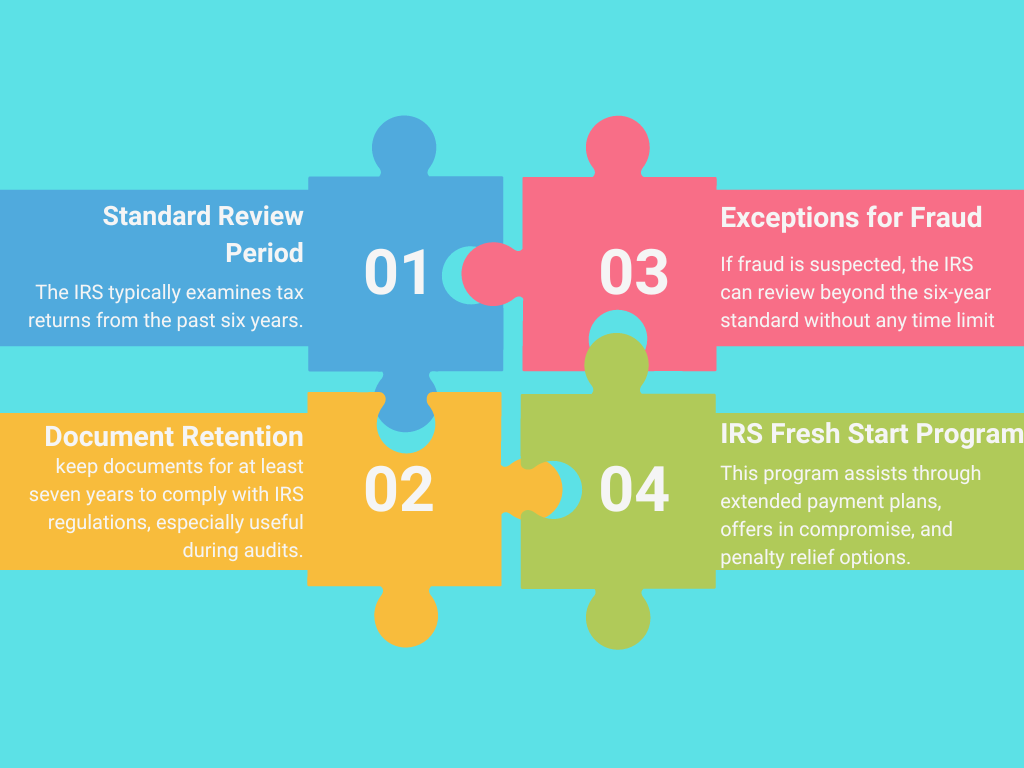
This circumstance frequently results from underreporting earnings, not submitting returns on time, or inconsistencies found during an IRS audit. The repercussions of accumulating tax debt are serious and can include tax liens, which offer the Internal revenue service a lawful insurance claim to your residential or commercial property as protection for the financial debt.
Earnings and Financial institution Accounts IRS can levy (confiscate) wages and bank accounts to satisfy the financial debt. Home Seizure In extreme cases, the Internal revenue service can seize and offer property to cover the debt.
Social Stigma Facing legal activity from the Internal revenue service can carry social preconception. Employment Opportunities A poor credit scores rating due to tax financial debt can limit work possibilities. Federal government Benefits Tax debt may influence eligibility for federal government advantages, such as Social Safety And Security and Medicaid.
6 Easy Facts About Community-Based Debt Forgiveness Organizations Compared Shown
The OIC thinks about several factors, including the taxpayer's earnings, costs, possession equity, and capability to pay. Effectively working out an OIC can be intricate, needing a comprehensive understanding of the internal revenue service's guidelines and a solid disagreement for why your deal lines up with your capability to pay. It is essential to keep in mind that not all applications are approved, and the procedure requires detailed economic disclosure.
The internal revenue service assesses your total monetary scenario, including your income, costs, asset equity, and capability to pay. You should likewise be existing with all filing and settlement demands and not remain in an open personal bankruptcy proceeding. The internal revenue service additionally considers your conformity history, reviewing whether you have a record of timely filing and paying tax obligations in previous years.
The Buzz on Support Provided From Integrating Financial Wellness into Everyday Life: A Path to Peace and Prosperity : APFSC Providers
The application procedure for an Offer in Compromise entails a number of thorough actions. You should finish and send Internal revenue service Type 656, the Deal in Concession application, and Form 433-A (OIC), a collection information declaration for individuals. These types require detailed monetary details, consisting of details regarding your earnings, financial obligations, expenses, and possessions.
Back tax obligations, which are unsettled tax obligations from previous years, can significantly increase your complete internal revenue service financial obligation otherwise resolved without delay. This financial debt can build up rate of interest and late payment charges, making the original quantity owed a lot bigger over time. Failure to repay taxes can result in the internal revenue service taking enforcement activities, such as providing a tax obligation lien or levy versus your residential property.
It is very important to attend to back tax obligations immediately, either by paying the total owed or by organizing a settlement plan with the IRS. By taking proactive steps, you can stay clear of the accumulation of added interest and fines, and protect against more aggressive collection actions by the IRS.
One usual reason is the idea that the taxpayer can pay the total either as a lump amount or through a layaway plan. The IRS also takes into consideration the taxpayer's income, expenditures, asset equity, and future earning capacity. If these variables show that the taxpayer can pay for to pay greater than the supplied quantity, the internal revenue service is most likely to reject the deal.
The Definitive Guide for Economic Consequences the Cost of Bankruptcy Counseling
Dealing with IRS financial obligation can be complex and overwhelming. Tax professionals, such as CPAs, tax lawyers, or registered agents, can offer vital aid.

Table of Contents
Latest Posts
The Main Principles Of Your Introduction to Using Credit Counseling Before You Commit to a Debt Management or Forgiveness Program with APFSC
Examine This Report about Red Flags When Researching a Your Section 8 Housing Application Guide (Plus Counseling Support) : APFSC Provider
)
This Organization Approach with Clients Can Be Fun For Anyone
More
Latest Posts
This Organization Approach with Clients Can Be Fun For Anyone